Bruch’s Violin Concerto No. 1: Passion, Partnership and Enduring Appeal
Tuesday, March 3rd, 2026
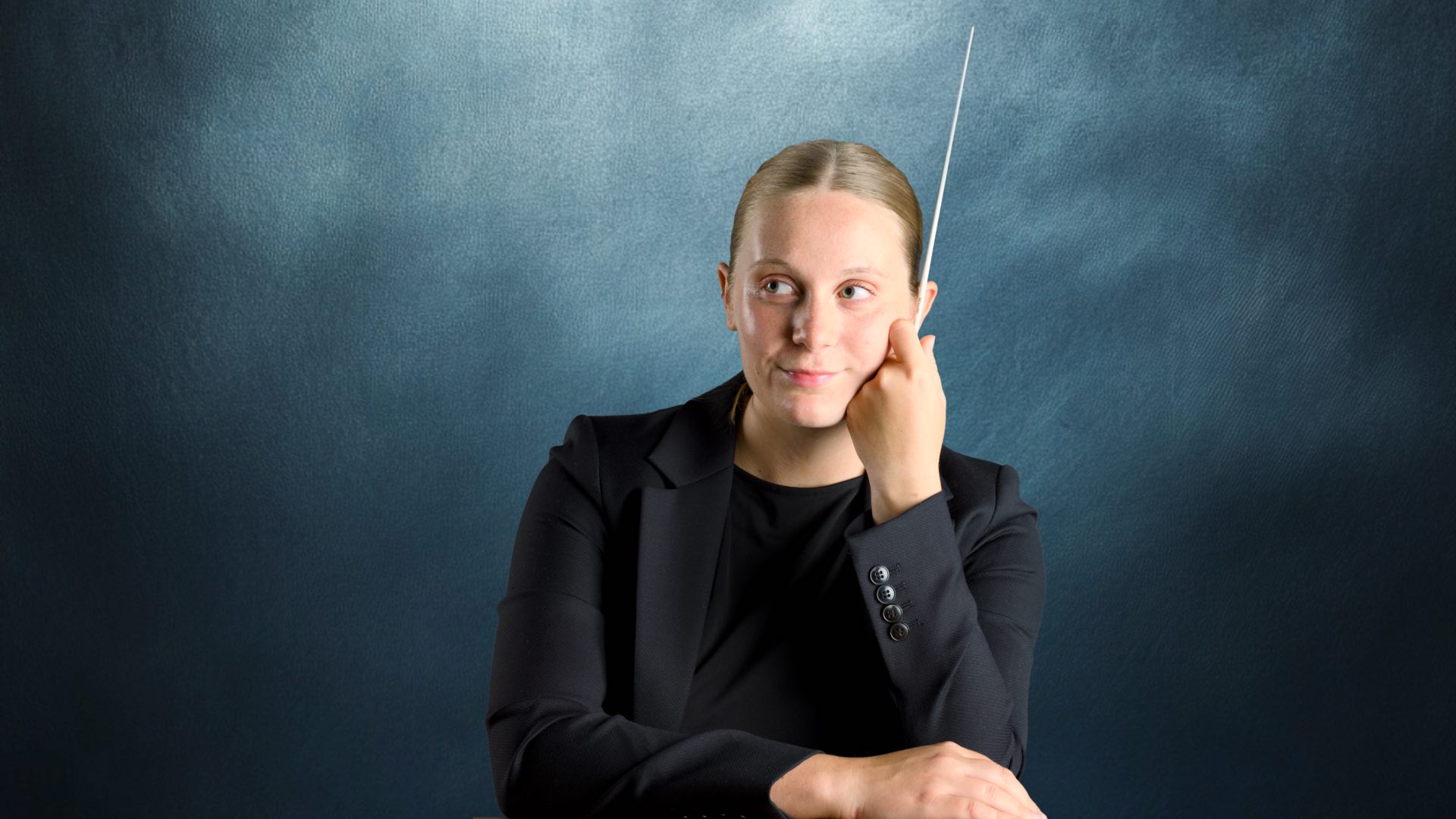
At our Great Classical Masterpieces concert on 21 March 2026, Sheffield Chamber Orchestra will be joined by soloist Esme Greenwood to perform one of the most beloved works in the violin repertoire: Max Bruch’s Violin Concerto No. 1 in G minor. Conducted by John Lyon, this performance promises to capture both the sweeping romance and the emotional depth that have made the concerto an audience favourite for over 150 years.
A Concerto Forged Through Collaboration
Composed between 1864 and 1866, Bruch’s First Violin Concerto did not appear fully formed. The young composer was determined to create something both structurally sound and idiomatic for the violin, and he sought detailed advice from leading performers of the day.
Chief among them was the great Hungarian violinist Joseph Joachim — one of the most influential musicians of the 19th century, a close friend of Brahms, and a tireless advocate for serious violin repertoire. Joachim was not merely dedicated; he played a central role in shaping the concerto we know today.
Bruch sent Joachim drafts of the score, inviting criticism and suggestions. Joachim responded candidly, advising on technical matters, balance, pacing and even thematic material. Their correspondence reveals a rigorous process of revision. Bruch withdrew early versions after trial performances, reworked passages extensively, and refined the dramatic flow — particularly the opening movement.
When the final version was premiered in 1868 with Joachim as soloist, the concerto’s success was immediate and lasting. It remains a striking example of composer and performer working in true artistic partnership.
Ironically, although Bruch wrote two further violin concertos and the popular Scottish Fantasy, it is this first concerto that secured his lasting fame — a fact that reportedly frustrated him in later life. Yet its enduring presence in concert halls worldwide speaks to its exceptional quality.
A Distinctive Structure
Bruch’s concerto stands apart from many of its contemporaries in its structural design.
I. Vorspiel – Allegro moderato
Instead of opening with a grand orchestral exposition, Bruch begins with a short Vorspiel (Prelude). Dark orchestral phrases set a brooding tone before the solo violin enters in a declamatory, almost improvisatory manner. This movement functions as an extended introduction rather than a traditional first movement, building tension and emotional intensity.
Crucially, it does not end decisively. Instead, it flows directly — without pause — into the second movement. This seamless transition was one of the features refined during Joachim’s consultations and contributes greatly to the work’s emotional impact.
II. Adagio
The emotional heart of the concerto. Here Bruch’s extraordinary melodic gift comes to the fore. The violin sings in long, arching phrases over warm orchestral textures. Joachim himself admired the nobility and vocal quality of this writing, which demands both expressive depth and sustained control from the soloist.
The Adagio is often cited as one of the most beautiful slow movements in the Romantic concerto repertoire.
III. Finale – Allegro energico
The final movement bursts forth with rhythmic vitality, drawing inspiration from Hungarian dance idioms — a nod, perhaps, to Joachim’s heritage and to the wider European fascination with “Hungarian” style in the 19th century. Spirited and virtuosic, the finale combines brilliance with infectious energy, bringing the concerto to a rousing conclusion.
21 March 2026: A Living Tradition
On 21 March 2026, this masterpiece takes its place at the centre of our Great Classical Masterpieces concert, between Beethoven’s Egmont Overture and Brahms’s Symphony No. 2 — composers who, like Bruch, were connected through shared musical ideals and, in Brahms’s case, a close friendship with Joachim himself.
We are delighted to welcome Esme Greenwood as soloist. Like Joachim in Bruch’s time, she brings insight, individuality and technical assurance to the concerto’s demanding solo part. Under the direction of John Lyon, the orchestra will shape Bruch’s rich textures and dramatic contours in close dialogue with the solo line.
In many ways, every performance of this concerto continues the collaborative spirit in which it was born — a conversation between composer, performer and orchestra.
Join us on 21 March 2026 to experience this extraordinary work live: a concerto forged in partnership, sustained by melody, and cherished by audiences for generations.
Tuesday, March 3rd, 2026


Similar stories
Here are some recent related articles.