Louise Farrenc
Louise Farrenc was a pioneering French composer, pianist and teacher whose elegant, richly expressive music bridges the Classical and Romantic traditions.
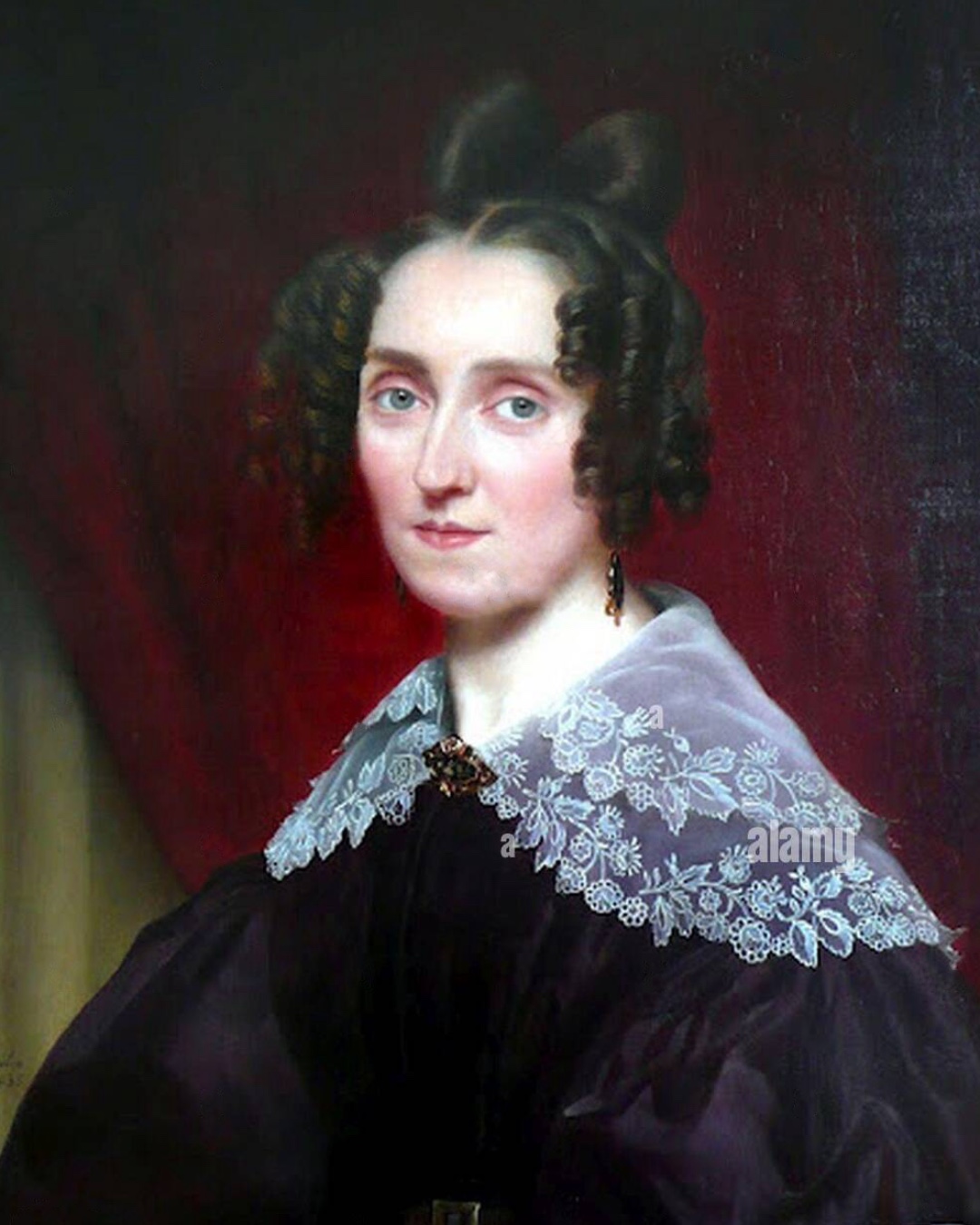
Louise Farrenc was a French composer, pianist and teacher whose music played an important role in the development of nineteenth-century French instrumental music. Although her compositions were highly regarded during her lifetime, they were largely forgotten after her death and have only recently received the attention they deserve.
Born Louise Dumont in Paris, Farrenc showed exceptional musical talent from an early age. She studied piano with leading teachers and later studied composition with Anton Reicha, a prominent composer and teacher at the Paris Conservatoire. Her early career was centred on the piano, for which she wrote extensively, but she increasingly turned to chamber and orchestral music.
In 1842 Farrenc was appointed professor of piano at the Paris Conservatoire, a position she held for more than three decades. She was one of the institution's most respected teachers and became particularly influential through her teaching of piano technique and repertoire. Her pedagogical work included the Trente Études dans tous les tons majeurs et mineurs, which became an important contribution to advanced piano study.
Farrenc's own compositions include three symphonies, two overtures, chamber music, piano works and a variety of pieces for different combinations of instruments. Her chamber music was especially successful, and her Nonet in E-flat major, Op. 38, received considerable acclaim after its premiere in Paris in 1850. Her Symphony No. 1 in C minor, Op. 32, and Symphony No. 2 in D major, Op. 35, demonstrate her command of large-scale orchestral writing, combining the structural discipline of the Classical tradition with the harmonic and expressive language of the Romantic period.
Farrenc's career was also shaped by the circumstances faced by women musicians in nineteenth-century France. Despite her considerable abilities, opportunities to have orchestral works performed were limited, and her reputation never achieved the prominence enjoyed by many of her male contemporaries. The death of her daughter, the pianist and composer Victorine Farrenc, in 1859 was another devastating blow, after which Farrenc largely withdrew from public musical life.
Farrenc died in Paris in 1875. Her music subsequently disappeared from the mainstream repertoire, but performances and recordings in recent decades have brought her work to a new generation of listeners. Today she is increasingly recognised as one of the significant French composers of the nineteenth century, and her symphonies and chamber music offer a fascinating perspective on the transition from the Classical to the Romantic era.