Cantique de Jean Racine
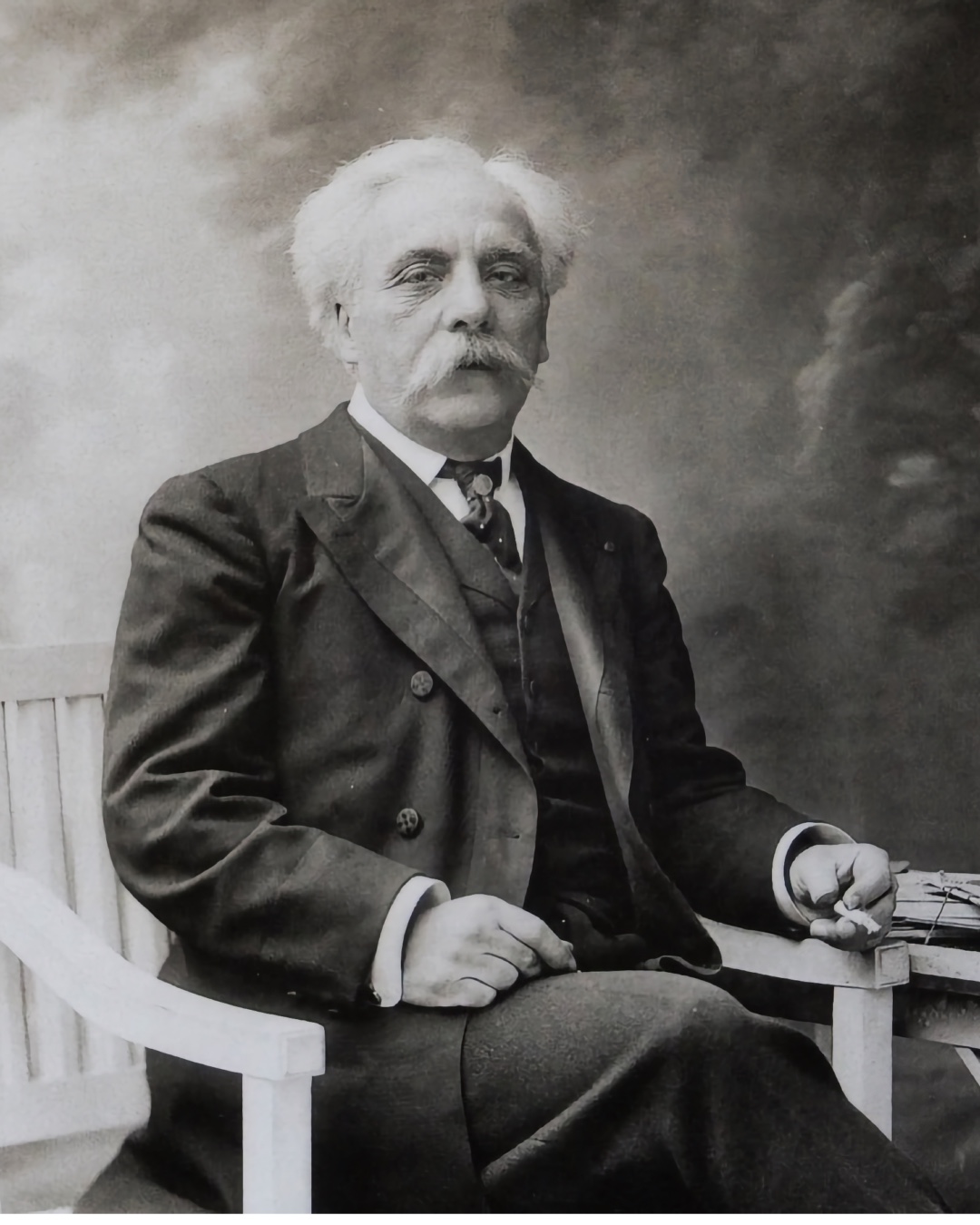
Gabriel Fauré
Fauré’s Cantique de Jean Racine is a serene and beautifully crafted choral setting of a French prayer by the poet Jean Racine. Written when Fauré was just 19, the work already displays the graceful melodies, refined harmonies and quiet emotional intensity that would become hallmarks of his mature music.
Programme Notes
Written in 1865, when Gabriel Fauré was only 19, Cantique de Jean Racine is one of his earliest surviving major works and one of his most enduringly popular compositions. It was composed while Fauré was a student at the École Niedermeyer in Paris and won first prize in composition at the school.
The text comes from a French translation by the seventeenth-century dramatist and poet Jean Racine of a Latin hymn traditionally associated with the office of Matins. Racine's French version is a prayer for divine grace and enlightenment, asking God to hear the faithful and bring peace to troubled hearts.
Despite its youthful origins, the music is remarkably assured. Fauré avoids grand theatrical gestures, instead creating an atmosphere of calm contemplation. The vocal writing is lyrical and predominantly homophonic, allowing the words to remain clear while the voices combine to create a rich, warm sonority.
The opening immediately establishes this distinctive character. A gentle accompaniment supports the choir as it introduces the prayer, with the music unfolding in long, graceful phrases. Fauré's harmonic language is already more adventurous than its restrained surface might suggest: subtle shifts of harmony continually colour the melody without disturbing its underlying tranquillity.
The central sections bring greater intensity as the text turns towards the need for divine protection and the troubles of the human heart. The music gradually builds towards its emotional climax before retreating into the peaceful atmosphere of the opening. The conclusion is particularly characteristic of Fauré: rather than ending with a triumphant proclamation, the music seems to settle quietly into stillness.
The Cantique occupies an interesting position in Fauré's output. Its sacred subject and disciplined choral writing reflect his education at the École Niedermeyer, while its elegant melodic lines and distinctive harmonic colouring point towards the composer he would become. More than half a century later, Fauré's music would still be admired for precisely these qualities of restraint, subtlety and emotional depth.
For listeners familiar with Fauré's later Requiem, the Cantique provides an intriguing glimpse of the musical world that would eventually produce it. The two works share a preference for intimacy over spectacle and consolation over drama. The Cantique de Jean Racine is therefore both a complete work in its own right and an early window into one of France's most distinctive musical voices.
What to listen out for
The opening melody
Listen to the gentle, flowing vocal lines and the sense of calm established almost immediately.
Fauré's harmonies
Beneath the simple, lyrical surface are subtle harmonic shifts that continually change the colour of the music.
The balance of voices
Much of the writing is homophonic, with the choir moving together so that the French text remains prominent.
The central climax
Notice how Fauré increases intensity without resorting to operatic drama, allowing the music to grow naturally from the prayer.
The return to tranquillity
The closing music gradually releases the tension and restores the work's contemplative atmosphere.
A glimpse of the Requiem
Listen for the qualities of tenderness, restraint and consolation that Fauré would develop much further in his later sacred music.
Year composed:
1865
Duration:
6 minutes