Joseph Haydn: Trumpet Concerto in E-flat major — Movement I
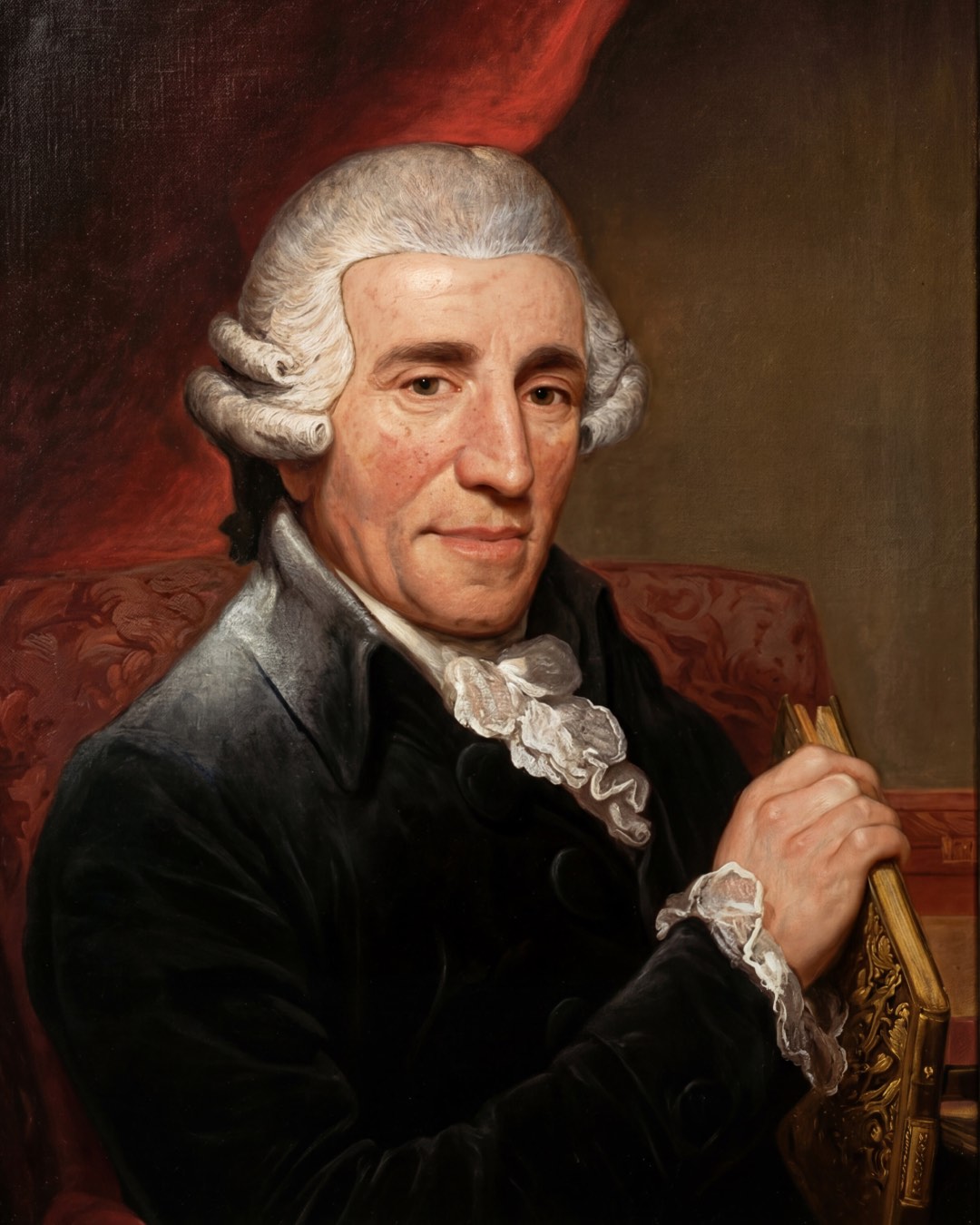
Joseph Haydn
Haydn's first movement opens with a poised orchestral introduction before the solo trumpet takes centre stage in a dazzling display of melodic elegance, technical agility and sparkling virtuosity. Written for an innovative keyed trumpet, the music explores a wider range of notes and expressive possibilities than had previously been practical for the instrument. Its blend of classical balance, lively exchanges and brilliant solo writing makes it one of the most distinctive trumpet concertos of the period.
Programme Notes
Joseph Haydn composed his Trumpet Concerto in E-flat major in 1796 for Anton Weidinger, a trumpeter in the Viennese court orchestra who was also an inventive instrument maker. Weidinger had developed a keyed trumpet, fitted with keys that allowed the player to produce notes beyond the restricted harmonic series of the traditional natural trumpet. Haydn's concerto was an imaginative demonstration of these new possibilities, revealing that the trumpet could be not only a brilliant instrument for fanfares, but also a flexible and expressive solo voice.
The first movement, marked Allegro, begins with a confident orchestral introduction. The strings establish the principal musical ideas before the wider orchestra adds weight and colour. When the solo trumpet enters, it immediately demonstrates the possibilities of Weidinger's instrument: the player can shape flowing melodies and negotiate notes that would have been difficult or impossible on a conventional natural trumpet.
Haydn balances this technical innovation with his characteristic musical craftsmanship. The movement follows the principles of Classical sonata form, developing and revisiting its themes while exploring contrasting keys and musical textures. The soloist alternates between elegant melodic phrases and more virtuosic passages, while the orchestra provides both accompaniment and a lively musical partner.
The concerto was completed in 1796, but Weidinger did not give its first documented public performance until 28 March 1800 at Vienna's Burgtheater. Although the keyed trumpet was eventually superseded by the valved instrument, Haydn's work survived to become one of the most celebrated concertos in the trumpet repertoire. Its opening movement remains a striking example of how technological innovation can inspire new musical possibilities.
What to listen out for
The orchestral opening: Listen for the strings introducing the main musical ideas before the full orchestra reinforces their confident, energetic character.
The soloist's entrance: Notice how naturally the trumpet moves into a melodic role, rather than simply delivering the high fanfares traditionally associated with the instrument.
Chromatic passages: Listen for notes and flowing melodic lines that demonstrate the expanded range of the keyed trumpet.
The musical conversation: The soloist and orchestra exchange ideas, with the ensemble sometimes supporting the trumpet and sometimes answering it.
Brilliance and precision: Enjoy the contrast between poised, clearly shaped phrases and the faster, more technically demanding passages.
Classical balance: Despite its virtuosic writing, the movement retains Haydn's characteristic clarity, proportion and sense of musical surprise.
Year composed:
1796
Duration:
8 minutes