Symphony No. 1 in B-flat major, Op. 38, “Spring”
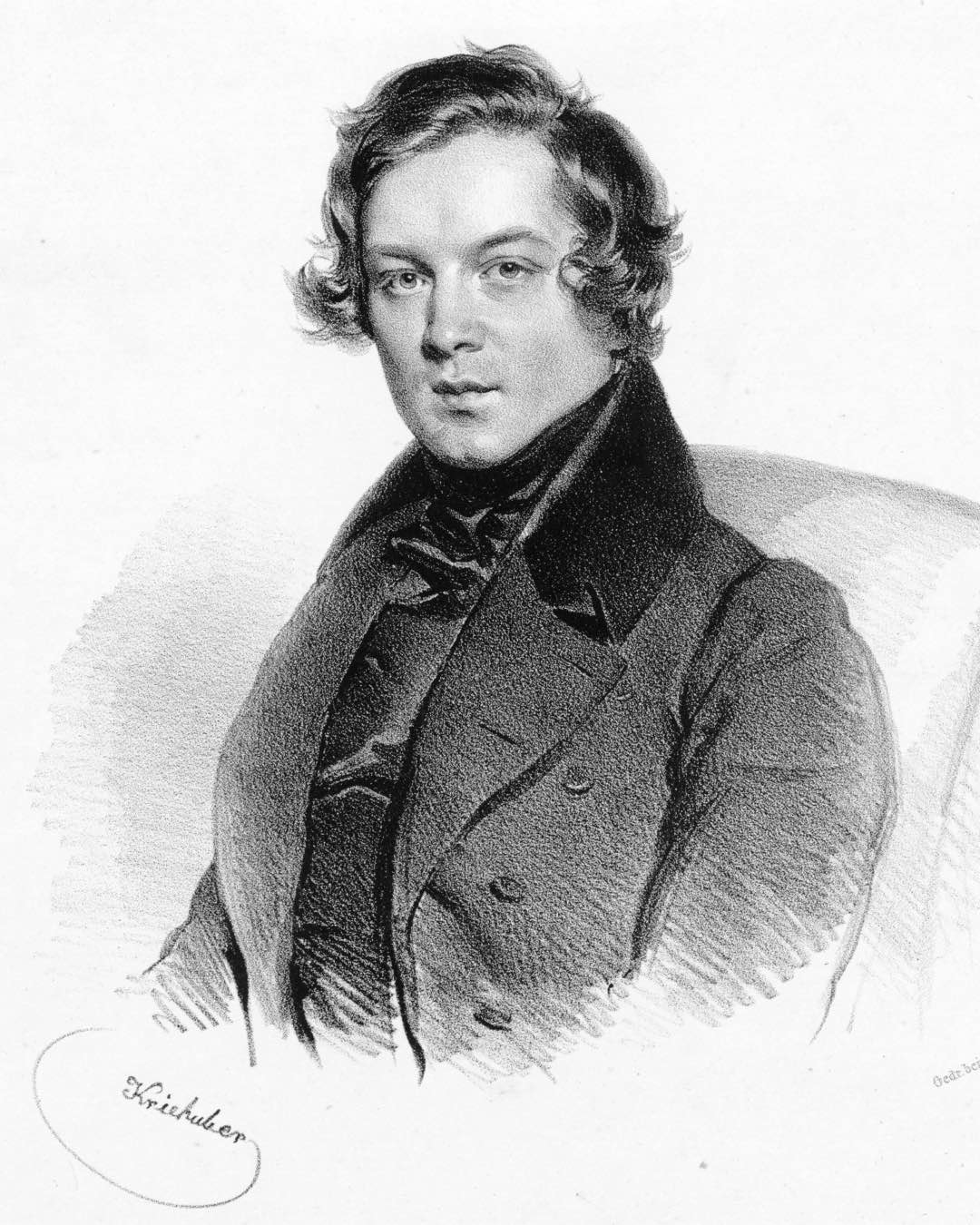
Robert Schumann
Bursting with energy, colour and optimism, Schumann’s First Symphony captures the feeling of spring arriving after a long winter. From its majestic opening fanfare to its exuberant finale, the music combines soaring melodies, lively rhythms and richly expressive orchestral writing in one of the Romantic era’s most uplifting symphonies.
Movements
- Andante un poco maestoso – Allegro molto vivace
- Larghetto
- Scherzo: Molto vivace – Trio I: Molto piu vivace – Trio II – Coda: Come sopra ma un poco più lento – Quasi presto – Meno presto
- Allegro animato e grazioso
Programme Notes
In the winter of 1841, Robert Schumann turned his attention to a musical form he had not yet fully explored: the symphony. Until then, he had established his reputation principally through piano compositions and songs. His First Symphony emerged remarkably quickly, with the initial sketches completed in just four days and the orchestration finished less than a month later.
Schumann gave the work the title Frühlingssymphonie — “Spring Symphony” — and initially assigned evocative titles to its four movements: “The Beginning of Spring”, “Evening”, “Merry Playmates” and “Spring in Full Bloom”. He subsequently removed these titles, preferring listeners to experience the music without a prescribed narrative. Nevertheless, the work retains a powerful sense of renewal, exhilaration and the natural world coming back to life.
The symphony opens with a commanding brass fanfare, a rising musical gesture that establishes the work’s distinctive character. This gives way to a spirited first movement, full of forward momentum, sweeping melodies and vivid exchanges between orchestral sections. The opening call returns as a unifying idea, helping bind the movement together.
The second movement, Larghetto, offers a lyrical contrast. Its warm, song-like melody unfolds with tenderness and introspection, allowing the strings and woodwind instruments to reveal the more intimate side of Schumann’s musical imagination. Rather than interrupting the symphony’s overall momentum, the movement provides a moment of reflection before the energy returns.
The third movement, a lively Scherzo, is full of rhythmic vitality. Its vigorous dance character is contrasted with two trio sections, each offering a different colour and mood. The music feels playful and restless, as though the natural world is stirring into activity.
The finale, marked Allegro animato e grazioso, brings the symphony to a spirited conclusion. Its bright themes, energetic rhythms and buoyant orchestration build a sense of celebration. The work closes with an emphatic affirmation of the optimism that has characterised the symphony from its opening bars.
Schumann’s First Symphony helped establish him as a major orchestral composer. It combines the structural discipline of the classical symphony with the emotional immediacy and imaginative freedom of Romantic music, creating a work that remains both exhilarating and accessible to modern audiences.
What to listen out for
The opening brass fanfare: Listen for the rising call from the horns and trumpets. It establishes the symphony’s identity and has often been associated with the awakening of spring.
The first movement’s momentum: Notice how the opening idea gives way to a lively, flowing musical argument, with themes passed between strings, woodwind and brass.
The gentle second movement: Listen for the contrast between the warm, sustained string melody and the delicate contributions of the woodwind. The mood is reflective and lyrical.
The playful scherzo: Enjoy the energetic dance rhythms and the contrasting trio sections, which introduce fresh textures and changes of character.
The triumphant finale: Listen for the bright orchestral colours, buoyant rhythms and recurring musical gestures that bring the symphony to its exuberant close.
Year composed:
1841
Duration:
35 minutes