Beethoven, Fauré, Mayer
Saturday, March 13th, 2027, 7:30 PM
Ecclesall Parish Church
Our second concert of the 2026-27 season pairs stirring drama with radiant lyricism and features works by Beethoven, Fauré, Mayer and Rutter.
Tickets from just £12 (£6 students)
Beethoven’s Eroica and three voices worth hearing
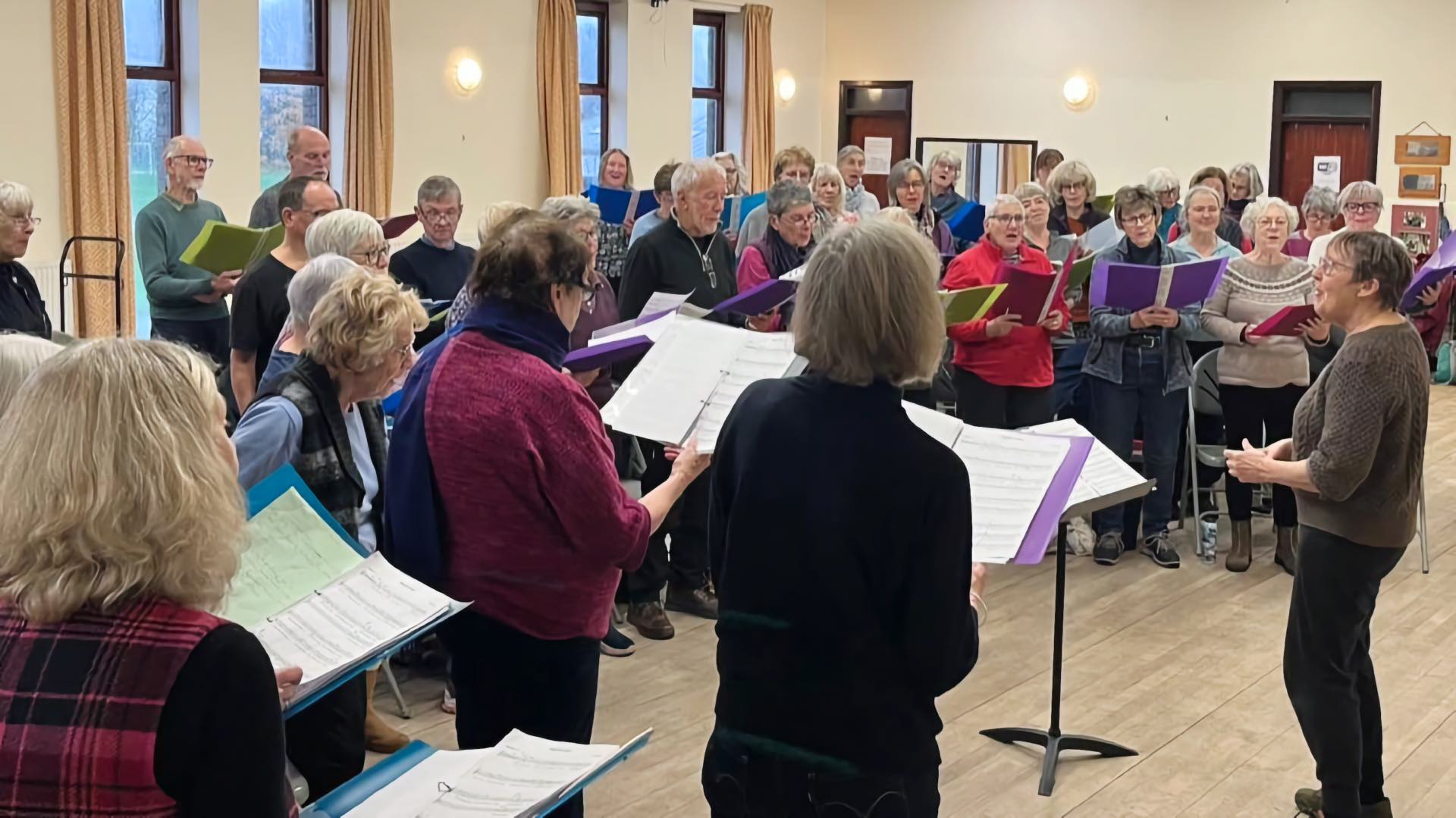
Join Sheffield Chamber Orchestra at Ecclesall Parish Church on Saturday 13 March 2027 for an evening that moves from bright orchestral drama, through quiet contemplation, to one of the most ambitious symphonies ever written. Conducted by John Lyon and in collaboration with Sheffield Singers, the concert pairs two rediscovered and contemporary voices with a Romantic masterpiece, and ends with Beethoven’s groundbreaking Eroica.
Emilie Mayer: a bold start
The evening opens with Emilie Mayer’s Overture No. 2 in D major. Born in 1812, Mayer studied with Carl Loewe and built a career in Berlin as a composer of large-scale instrumental music. She wrote eight symphonies, along with overtures, concertos and chamber works. Her music was widely respected in her lifetime, then largely forgotten, and is now being rediscovered. This overture shows why. It is energetic and confidently orchestrated, with strong rhythmic drive, lyrical contrasts, and brass and timpani that give the D major music a ceremonial edge. At around twelve minutes it makes a vivid opening.
Fauré: serenity at nineteen
Gabriel Fauré’s Cantique de Jean Racine brings a change of mood. He wrote it in 1865 as a nineteen-year-old student at the École Niedermeyer in Paris, where it won him first prize in composition. The text is Racine’s French version of a Latin hymn associated with the office of Matins, a prayer for peace and enlightenment. Fauré avoids theatrical gestures and builds a calm atmosphere from long, graceful phrases and subtle shifts of harmony. Lovers of his Requiem will recognise the same tenderness and restraint. The piece lasts about eleven minutes, and its quiet close is one of the most beautiful moments in the programme.
John Rutter: traditional folk songs
John Rutter’s The Sprig of Thyme is a delightful collection of traditional British and Irish folk songs, beautifully arranged for choir and orchestra. Blending lyrical melodies, gentle nostalgia and lively folk rhythms, the work celebrates the richness of the folk-song tradition. Our performance features a selection of seven movements: The Bold Grenadier, The Keel Row, The Willow Tree, The Sprig of Thyme, Down by the Sally Gardens, O Can ye Sew Cushions? and The Miller of Dee.
Elaine Hagenberg: light in motion
Contemporary American composer Elaine Hagenberg is represented by Splendor, the opening movement of her choral-orchestral work Illuminare. It sets words attributed to Saint Ambrose, the fourth-century Bishop of Milan, and its subject is light. The music begins with a rush of rapid figures in bright D major, which Hagenberg has said were inspired by bald eagles she watched in flight from her studio window. Powerful choral unison and a joyful, strongly accented “Gloriae” follow, and the piece ends in a thrilling final burst. It is short, and it is a good example of why Hagenberg’s music has become so popular with choirs and audiences.
Beethoven’s Eroica: a symphony that changed everything
After this, the orchestra takes on Beethoven’s Symphony No. 3 in E-flat major, “Eroica”. It was written in 1803–04, and it dramatically expanded the scale, emotional range and ambition of the symphony. Beethoven is said to have intended it for Napoleon Bonaparte, and to have withdrawn the dedication when Napoleon declared himself Emperor. The finished work is about much more than one man.
Two blunt chords launch a first movement that tests and develops its ideas with remarkable intensity. The second movement is a funeral march, sombre and moving, with flashes of consolation. A fast-moving Scherzo follows, with a trio featuring three horns, and the finale transforms its theme through a succession of variations towards a triumphant conclusion. At around fifty minutes, the Eroica is a journey from struggle to affirmation, and it sounds just as startling live as it must have in 1805.
What to listen for
Mayer: the contrast between driving rhythms and lyrical melodies, and the weight of the brass and timpani.
Fauré: how the harmonies shift beneath a simple, flowing melody.
Rutter: The changing character of the folk melodies – from the swagger of The Bold Grenadier and The Miller of Dee to the tenderness of O Can Ye Sew Cushions?
Hagenberg: the opening rush of sixteenth notes and the ascending vocal lines.
Beethoven: the funeral march, the horn trio, and the way one theme changes character through the finale.
Your evening at Ecclesall Parish Church
The concert starts at 7:30pm, with doors from 7pm. Ecclesall Parish Church stands on Ringinglow Road in Ecclesall, on the edge of the Peak District in south-west Sheffield. Tickets start at £12, or £6 for students, with standard and premium seating also available. Come early, take your seat, and hear one of the great symphonies played live by Sheffield Chamber Orchestra.
The Programme
Emilie Mayer
Overture No. 2 in D major
Gabriel Fauré
Cantique de Jean Racine
John Rutter
The Sprig of Thyme – A Suite of Traditional Folk Songs
Elaine Hagenberg
Splendor, from Illuminare
Ludwig van Beethoven
Symphony No. 3 in E-flat major, “Eroica”
Meet the Artists


The Venue
- Location
Ecclesall Parish Church
- Address
32 Ringinglow Road, Sheffield, S11 7PP
- What3Words
Ecclesall Parish Church is situated in the beautiful suburb of Ecclesall on the edge of the Peak District in the south-west of Sheffield.