
A Musical Legacy: In Conversation with Guest Conductor Gina Hazell
Tuesday, November 24th, 2026
Ahead of Sheffield Chamber Orchestra’s concert on Saturday 5 December 2026, we caught up with guest conductor Gina Hazell to discover what inspires her as a conductor, explore the connections between the four composers featured in our programme, and find out why she believes audiences should come expecting to be surprised.
When asked to describe our December concert programme in just one word, Gina Hazell chooses ‘legacy’. It is a particularly fitting description for a programme that spans more than a century of musical creativity, bringing together the familiar and the less familiar, and inviting audiences to explore the nineteenth-century orchestral repertoire from a fresh perspective.
For Gina, who joins Sheffield Chamber Orchestra to conduct the opening concert of our 2026–27 season, the performance represents an exciting opportunity for musical discovery and collaboration.
“I’m delighted to be working with Sheffield Chamber Orchestra,” she says. “It’s always a massive privilege working with a new ensemble, and I’m really looking forward to meeting the players and beginning to shape our programme.
“I hope that our work together will leave the audience feeling like they’ve heard something special, something new, fresh, full of colour and energy.”
Serving the music
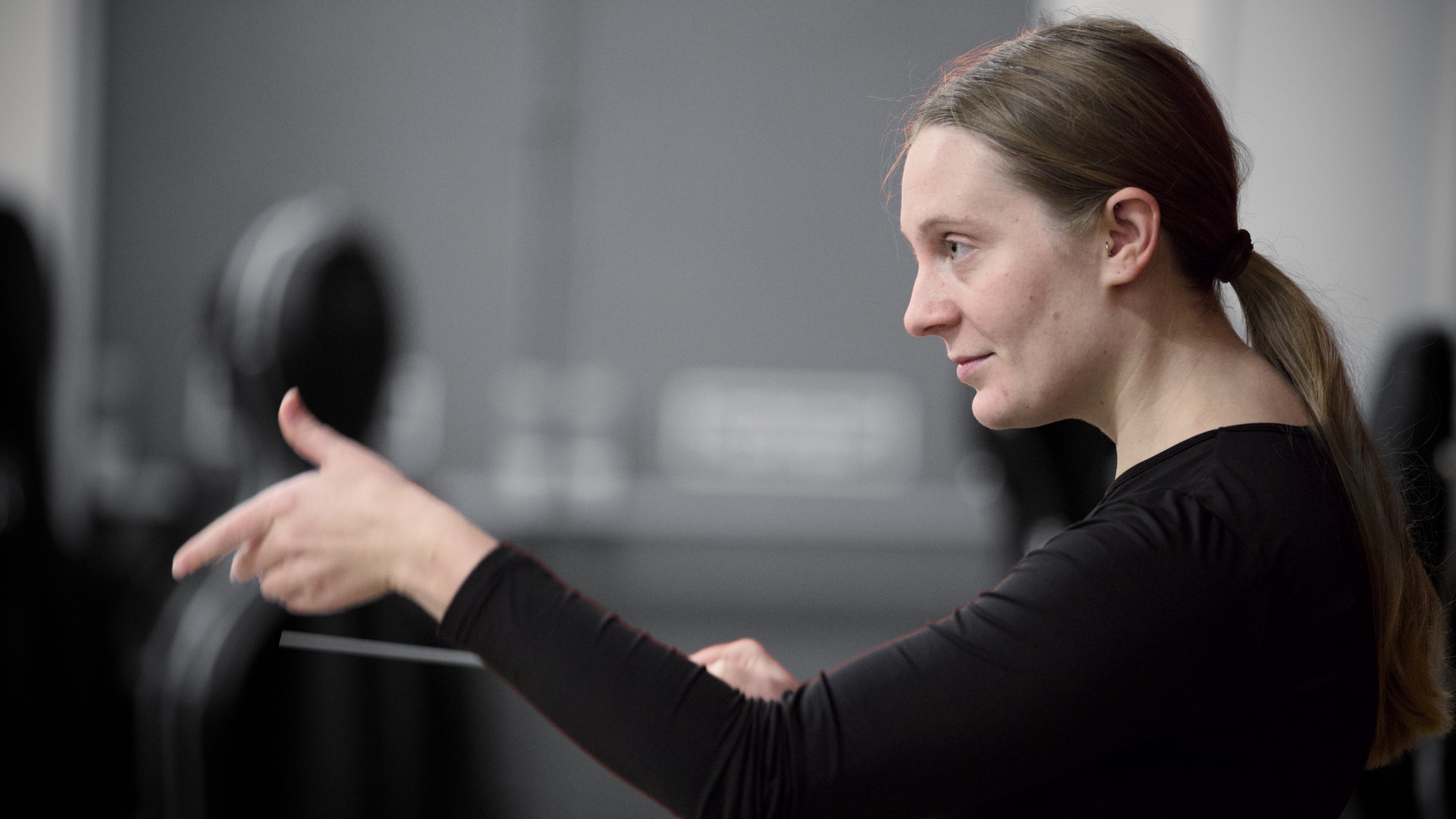
Gina has benefited from working with some of the most respected figures in conducting, including Sian Edwards, Alice Farnham and Sir Mark Elder. Although each has brought a different approach and musical personality to their work, one fundamental principle has emerged from her experiences.
“The role of the conductor is to serve the music,” she explains. “The work that you do away from the rehearsal room allows you to have that freedom to be responsive and musical in the rehearsal room.”
Working with Sir Mark Elder particularly impressed upon her the importance of developing a deep understanding of a composer’s intentions before bringing her own interpretative ideas to a piece.
“Your role as the conductor is to help enthuse and inspire musicians and support them in creating something that is greater than the sum of their parts.
“Ultimately, there’s no one-size-fits-all conductor, but what’s really important is gaining the respect of the musicians and genuinely developing a relationship with them. That’s when the real music comes out.”
Behind the baton
Long before the first rehearsal, a conductor spends many hours immersed in the music. For Gina, that process begins with the printed score rather than recordings of other performances.
“As a very first step, before I listen to any recordings, I look at the score and try to absorb as much detail as possible.”
She then begins exploring the phrasing, singing musical lines and examining the structure of the work. Developing an understanding of its harmonic language helps her to uncover the composer’s intentions and discover what might be read between the lines of the score.
But preparation is about much more than intellectual analysis. It is also about developing an emotional connection with the music and anticipating how the musicians themselves might experience it.
“By the time I get to the rehearsal stage with the orchestra, I want to feel like I’ve developed a relationship with the composer before I then start to build a relationship and a conversation with the orchestra.
“That way, I hope I can serve the music as well as possible, and the musicians, and create something meaningful.”
Louise Farrenc: at the heart of a musical conversation
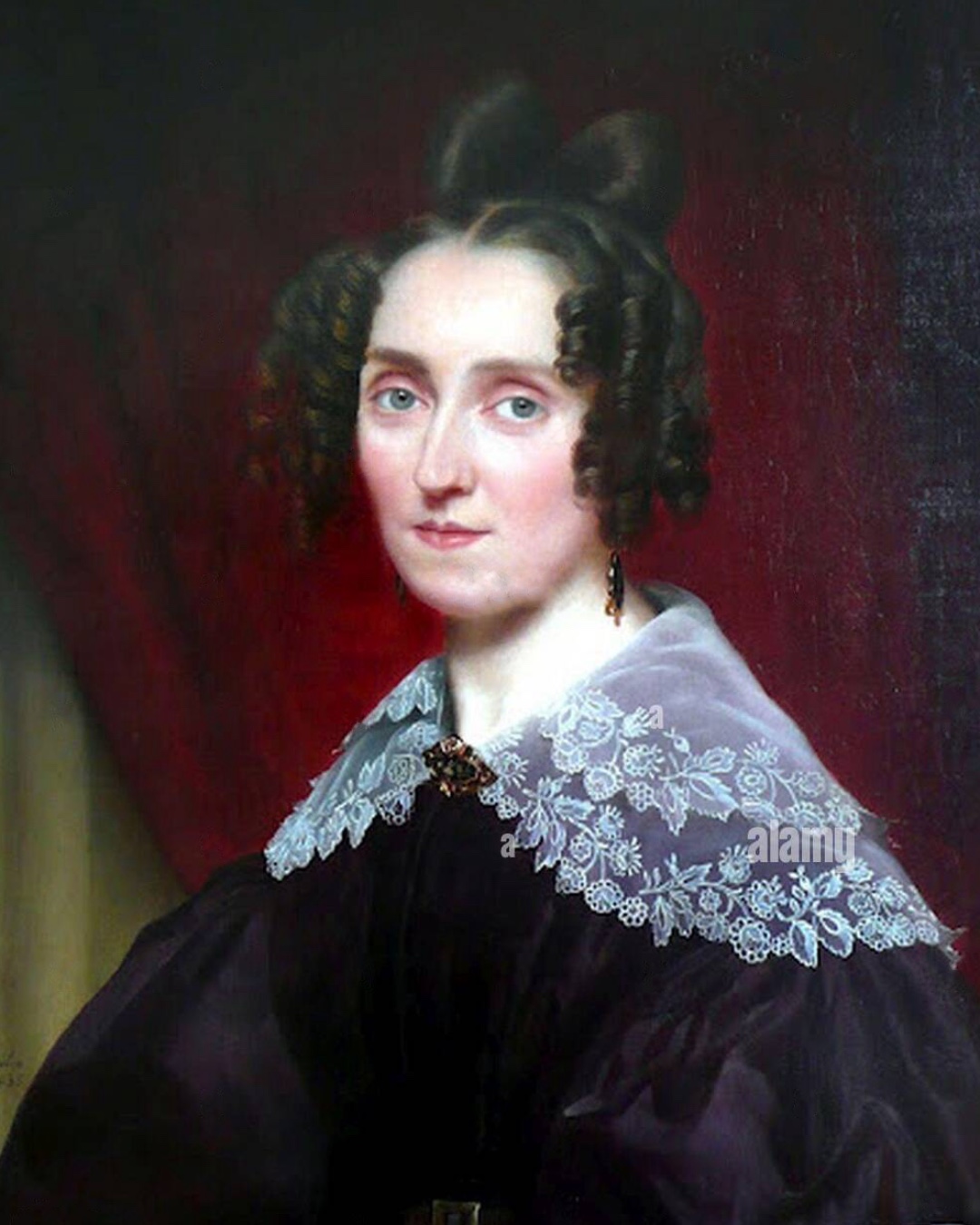
Although our December programme features some of the best-loved names in classical music, it was the opportunity to perform Louise Farrenc’s Symphony No. 1 that particularly attracted Gina.
“She is truly a fine composer of not only symphonies but overtures and also many piano works, and she hasn’t had the same sort of recognition as a lot of her male counterparts from the same era.”
Rather than simply presenting four contrasting works, Gina sees the programme as an opportunity to explore the musical traditions that shaped Farrenc’s distinctive compositional voice.
“This programme really opened a conversation across time for me, with Louise Farrenc at the heart of it.”
The Baroque music of Handel represents a tradition that influenced Farrenc’s compositional development. Mendelssohn represents a contemporary whose music she admired, while Dvořák belongs to the next generation of symphonists, carrying the orchestral tradition forward.
“What’s really amazing about this programme is that it allows us to look at Louise Farrenc and centre her within the broader landscape of nineteenth-century music.”
It is an approach that challenges the conventional narrative of musical history, placing a remarkable but historically overlooked composer alongside the celebrated figures with whom she shares a musical heritage.
Rediscovering a distinctive musical voice
Farrenc’s First Symphony is a work that deserves to be appreciated not simply because of the circumstances of its composer’s life, but because of the quality and individuality of its musical writing.
Gina is particularly drawn to the combination of Farrenc’s mastery of classical forms and her willingness to explore new musical territory.
“Louise Farrenc’s writing shows a really deep understanding of the classical tradition,” she explains. “As well as that, she’s starting to show a discovery and a pushing of the boundaries with the Germanic Romantic tradition that was also developing during her time.”
Her symphonies demonstrate a sophisticated understanding of musical architecture, yet there is also a sense of exploration and innovation in the way she develops her material.
What should audiences particularly listen out for in the First Symphony?
“Listen out for the way that she develops musical ideas and transforms them into things completely different from when they originally appear.”
For Gina, performing Farrenc’s music is also an opportunity to broaden our collective understanding of the nineteenth century and the composers who contributed to its extraordinary musical richness.
“I think it’s really important that we listen to and play as much of her music as possible to broaden our understanding of what this nineteenth-century music repertoire was at the time.
“It’s really amazing to be a female conductor who is getting the opportunity to perform more and more female composers as time goes on.”
Mendelssohn: a magical opening
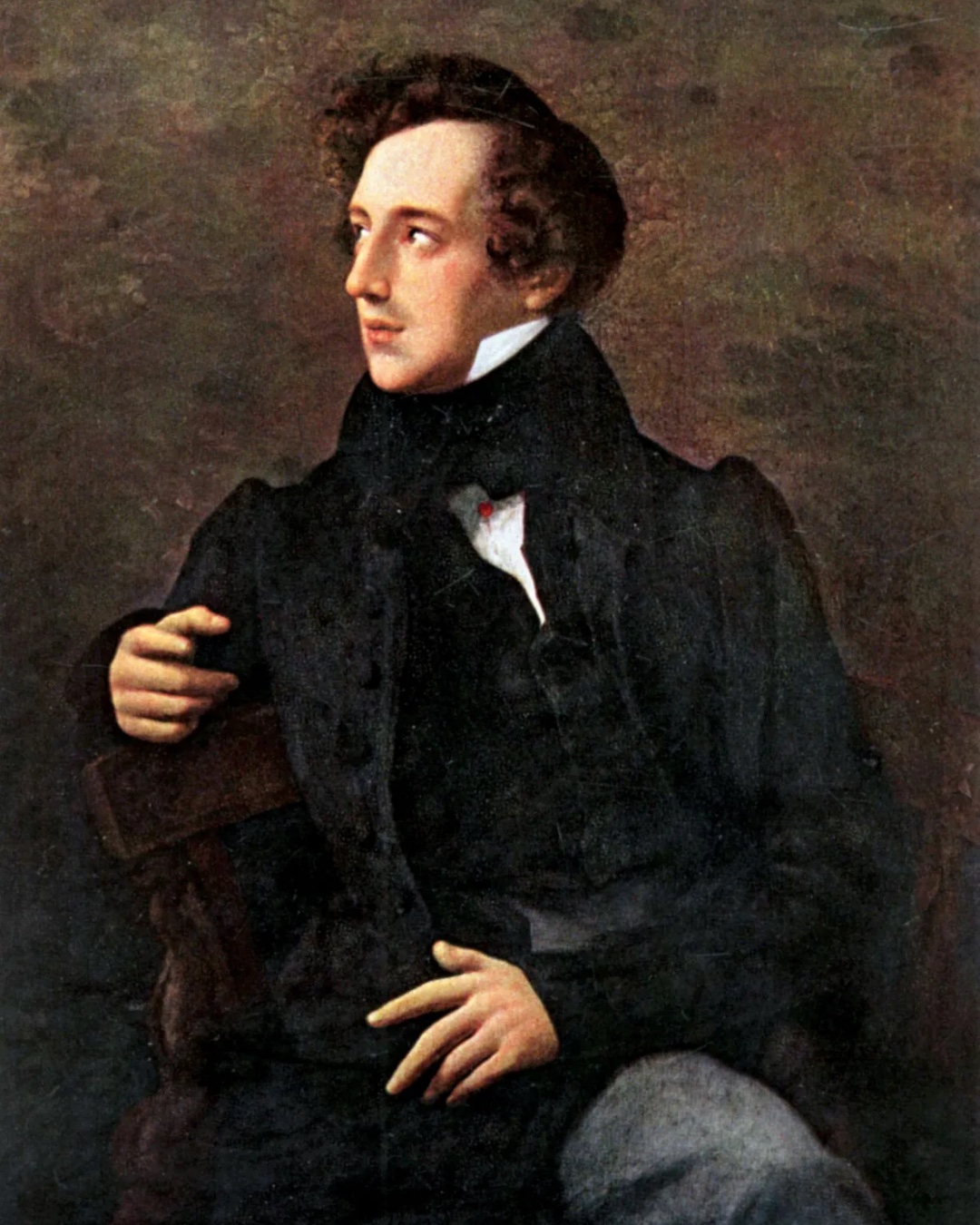
Our concert opens with Mendelssohn’s A Midsummer Night’s Dream Overture, a remarkable achievement by a composer who was just seventeen years old when he wrote it.
For Gina, the magic begins with the very first notes.
“The ambiguous and questioning nature of those very first chords, I think, captures the essence of Shakespeare’s play almost immediately.”
The overture’s extraordinary orchestral colours transport listeners into Shakespeare’s enchanted world, contrasting delicate, fairy-like textures with moments of exuberance and brilliant energy.
“It truly is impressive that this amazing orchestration and these colours from the orchestra came from a composer who was just seventeen years old when he wrote this piece.”
Our performance will offer an additional opportunity for discovery through the inclusion of the ophicleide, a rarely heard nineteenth-century keyed brass instrument, bringing an unusual historical orchestral colour to Mendelssohn’s music.
Handel: the enduring influence of the Baroque
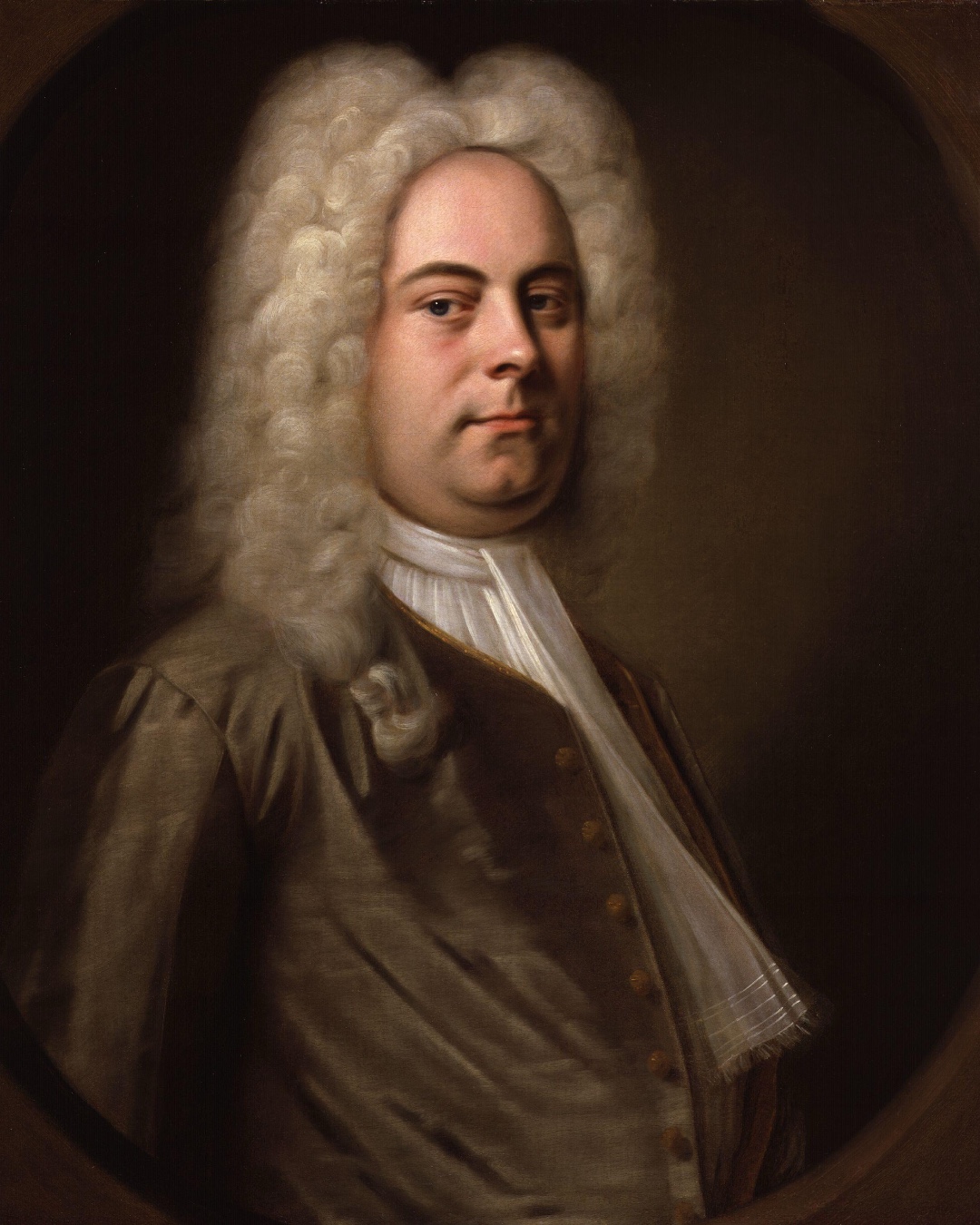
Handel’s Concerto Grosso in B-flat major, Op. 6 No. 7, takes us further back in time, providing a fascinating contrast to the nineteenth-century works featured elsewhere in the programme.
Within Gina’s conception of the concert, Handel represents an important part of the musical inheritance upon which Farrenc and subsequent generations of composers were able to build.
He provides another dimension to the programme’s exploration of musical legacy, inviting audiences to consider the connections between different periods of musical history and the enduring influence of earlier traditions.
Dvořák: warmth, character and conversation
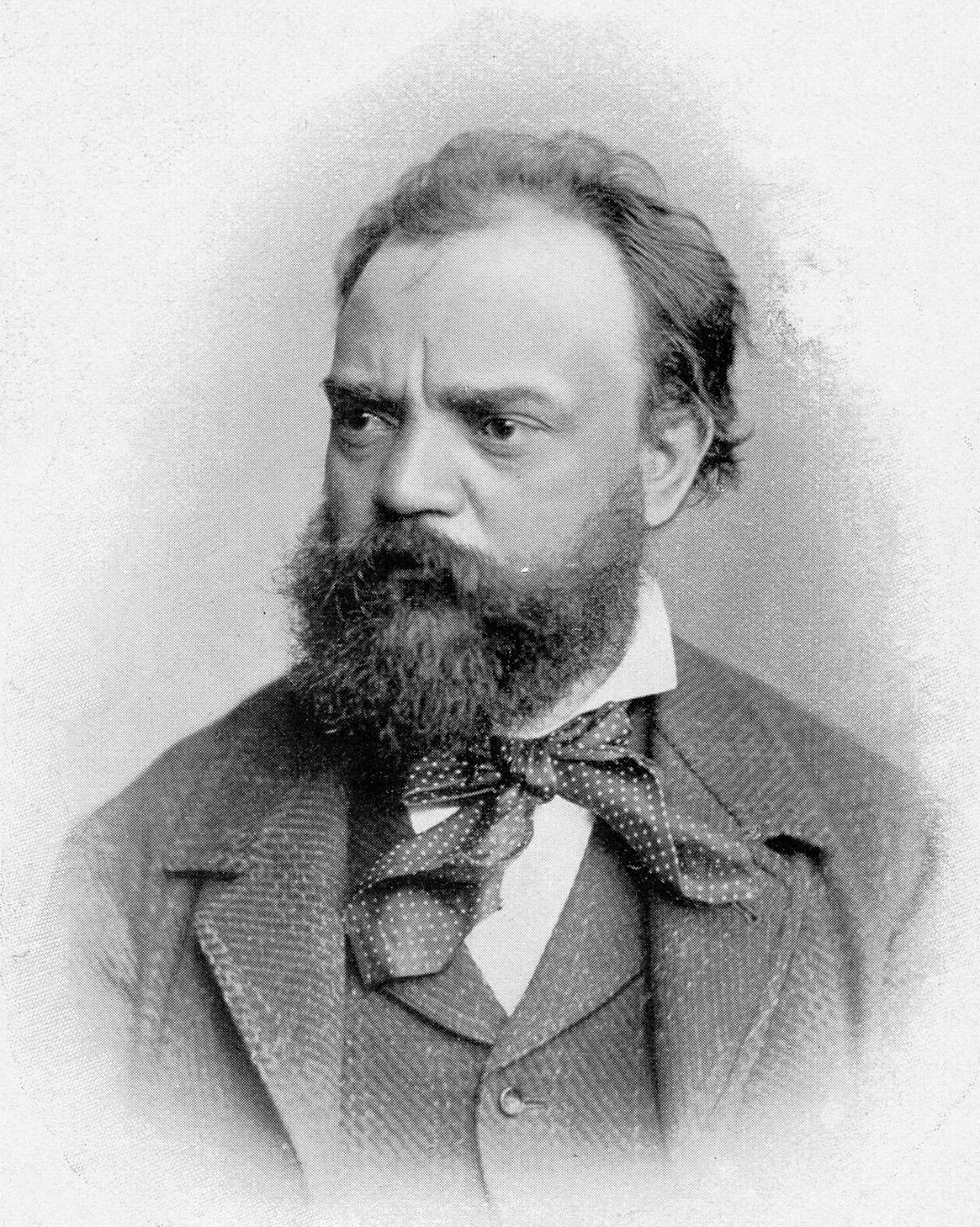
The melodic richness and infectious dance rhythms of Dvořák’s Czech Suite offer yet another distinctive musical landscape.
“Dvořák’s Czech Suite has a real sense of warmth going throughout the entire piece,” says Gina.
She particularly admires his ability to draw upon folk traditions and weave melodic ideas between different instruments, creating music of considerable charm and character.
“For the audiences, some things to listen out for are the different personalities that you can hear between the different movements. You have the lyricism of the Romance, you have the charm of the Polka. Each one has its own character.”
Gina also encourages audiences to look beyond the melodies themselves and observe the musical conversations taking place across the orchestra.
“How are they passing the melodies amongst each other? How are we bringing that warmth of Dvořák to life and bringing the character of all his different dances into the twenty-first century?”
It is an invitation to experience orchestral music not simply as a succession of beautiful sounds, but as a living conversation between musicians.
Making music together
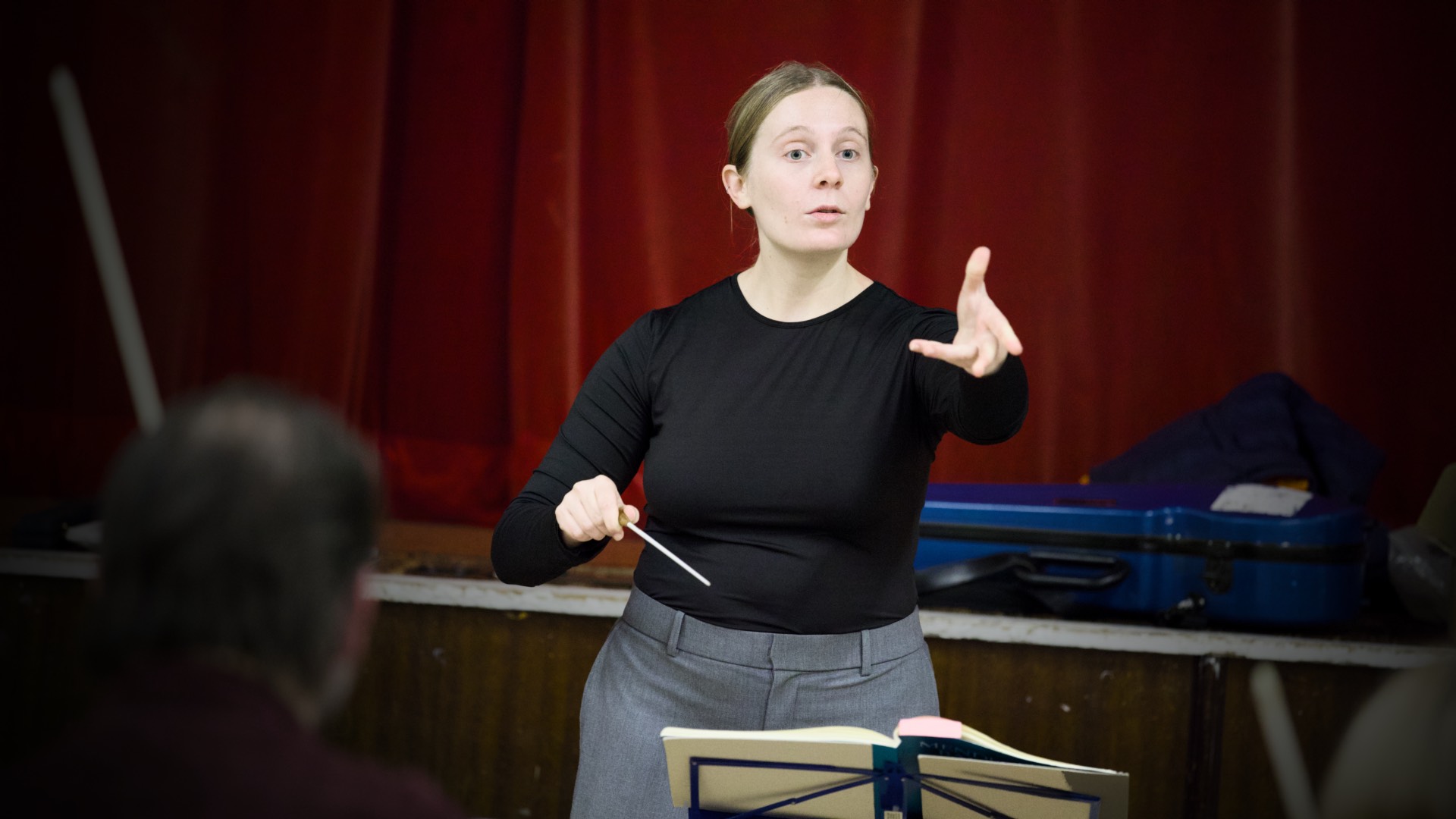
Sheffield Chamber Orchestra’s commitment to ambitious programming and exploring repertoire beyond the familiar is something that particularly appeals to Gina.
“Enthusiasm and commitment are really incredible values within an orchestra,” she says. “When musicians bring a passion and a genuine want to make music, you have the basis for creating something really beautiful.”
For Gina, the most rewarding performances emerge from a collaborative process founded upon mutual trust, curiosity and exploration.
“Sheffield Chamber Orchestra’s commitment to performing ambitious programmes and repertoire that pushes boundaries is something that’s really exciting, and I’m really grateful to be a part of this journey. I’m looking forward to what we create.”
She is equally enthusiastic about becoming acquainted with Sheffield’s musical community and sharing the experience of live music-making with local audiences.
Getting to know Gina: quick-fire questions

The first piece you ever conducted? Elgar’s Serenade for Strings.
Your favourite composer? Mahler or Messiaen.
A piece that always makes you smile? Sibelius’s Symphony No. 3.
Baton or no baton? Baton.
Which instrument would you most like to learn? French horn.
One word to describe the December programme? Legacy.
Come expecting to be surprised
Whether you are a regular concertgoer or considering attending a Sheffield Chamber Orchestra concert for the first time, Gina believes our December programme offers something for everyone.
“It’s a chance to hear both the familiar and the unfamiliar in a way that’s fresh and exciting.
“People should come expecting to be surprised. Whether they’re hearing Farrenc’s Symphony No. 1 for the first time or maybe the tenth time, it’s a programme that I think has something for everyone, and I would like to invite everyone to come and enjoy this journey with us.”
Above all, Gina hopes audiences will leave with a renewed sense of curiosity and discovery, particularly through experiencing Farrenc’s remarkable First Symphony, and a reminder of why live music matters.
Join us on Saturday 5 December 2026 as Gina Hazell conducts Sheffield Chamber Orchestra in an evening of musical discovery, featuring works by Mendelssohn, Handel, Dvořák and Louise Farrenc. Discover new favourites, rediscover familiar masterpieces and experience the excitement of live orchestral music.
Tuesday, November 24th, 2026


Similar stories
Here are some recent related articles.