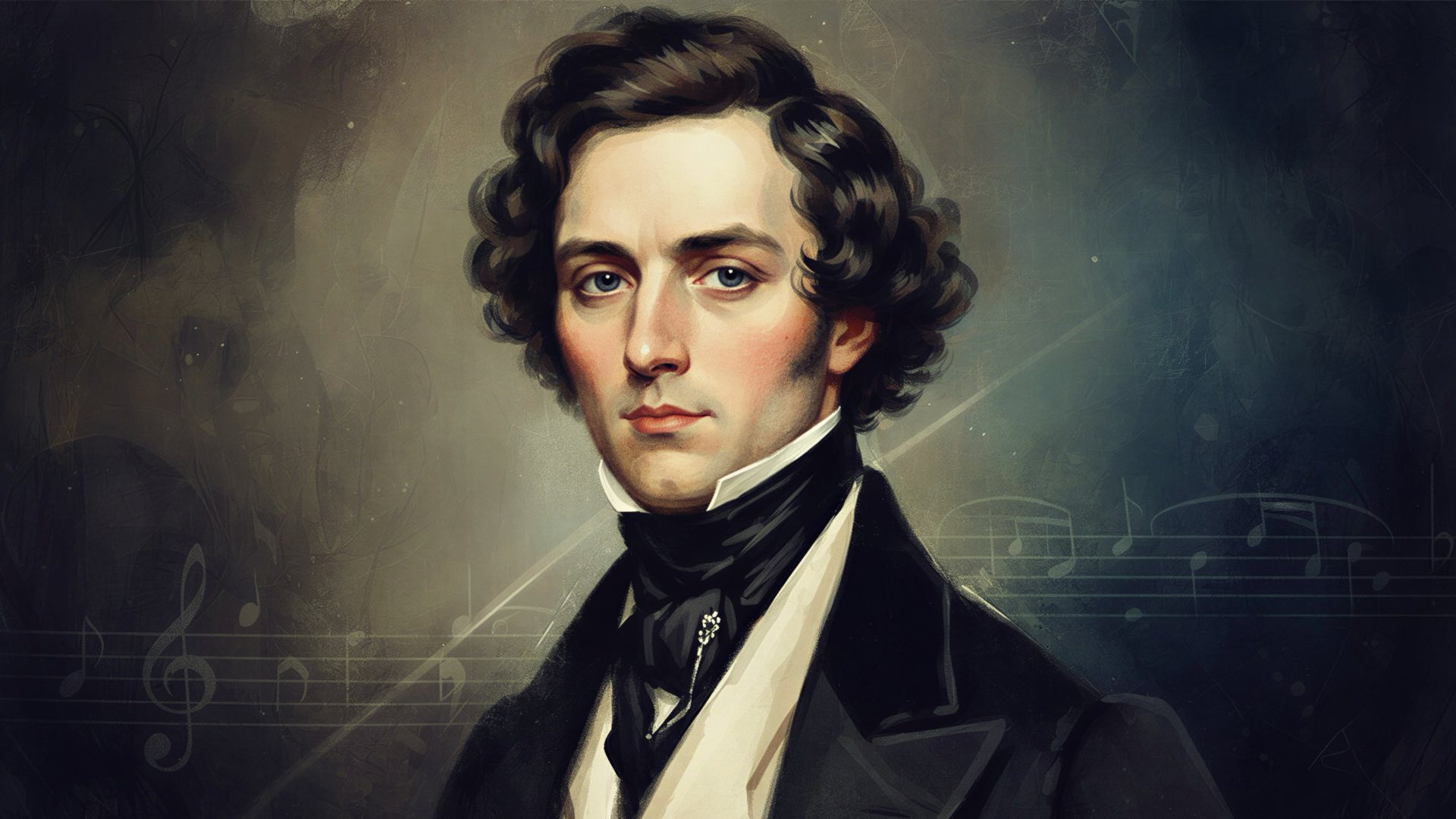
Enter the magical world of Mendelssohn’s A Midsummer Night’s Dream
Monday, October 26th, 2026
Fairies, enchanted forests and Shakespearean mischief come to life in one of the most captivating works in the orchestral repertoire, as Sheffield Chamber Orchestra prepares for its December concert.
There are few pieces of music that transport the listener into another world quite as effortlessly as Felix Mendelssohn’s Overture to A Midsummer Night’s Dream. From its delicate, shimmering opening to its exhilarating bursts of orchestral energy, this is music that seems to conjure a magical landscape before our ears.
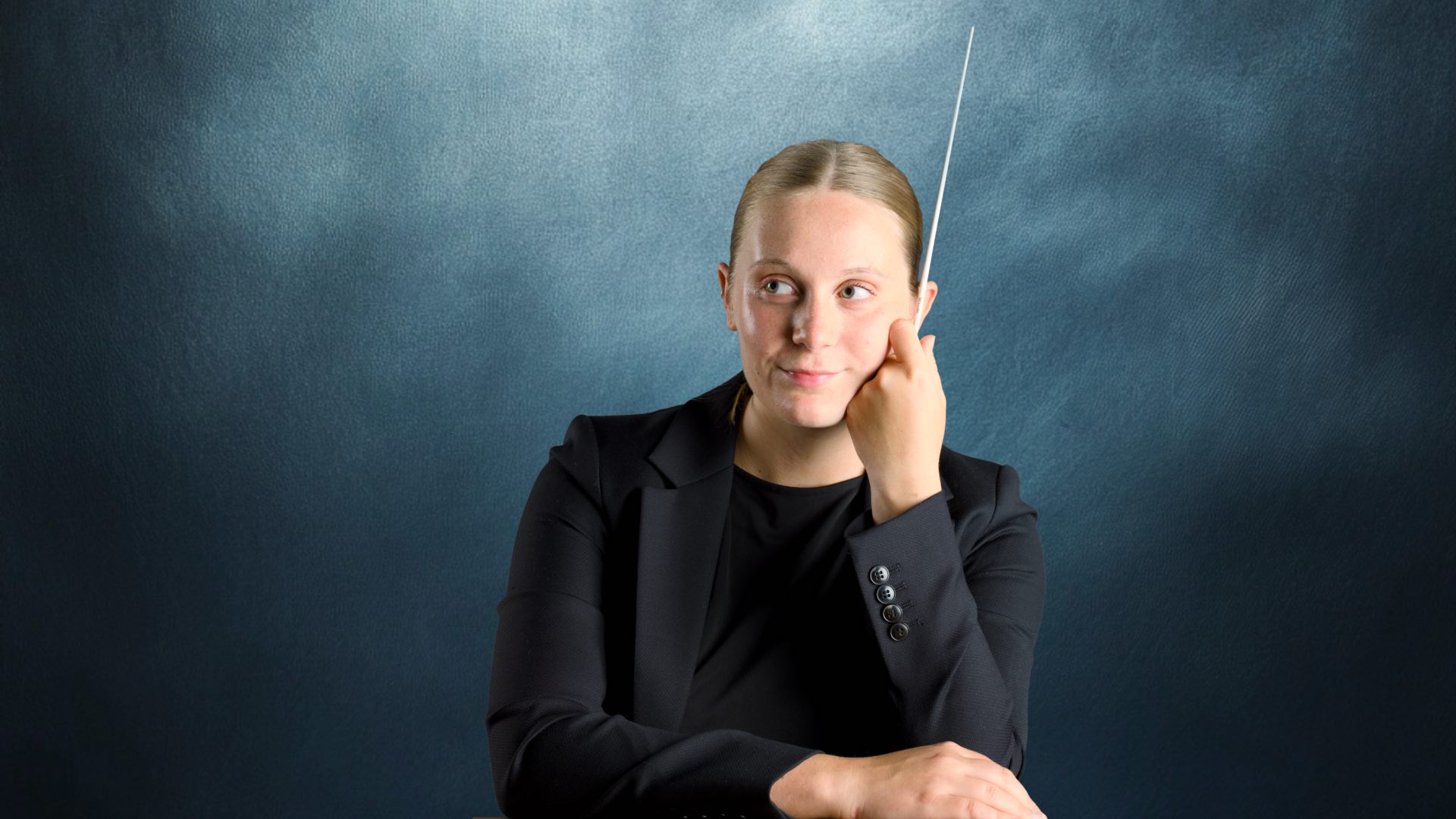
On Saturday 5 December 2026, Sheffield Chamber Orchestra will bring this much-loved work to life in a concert conducted by Gina Hazell. As part of an evening of orchestral music combining Romantic warmth, Baroque sparkle and youthful energy, Mendelssohn’s overture promises a particularly enchanting start.
But what makes this work so special? And how did a teenager manage to capture the spirit of one of Shakespeare’s most imaginative plays so brilliantly?
A teenage composer with an extraordinary imagination
Felix Mendelssohn (1809–1847) was one of the great musical talents of the Romantic era. Born into a cultured and prosperous German family, he displayed remarkable musical abilities from an early age, becoming a gifted pianist, conductor and composer while still in his teens.
In 1826, aged just 17, he wrote his Overture to A Midsummer Night’s Dream, inspired by William Shakespeare’s comedy of love, confusion and supernatural mischief. It is an astonishing achievement for such a young composer, displaying not only technical sophistication but also an extraordinary ability to translate theatrical ideas into purely musical language.
The overture was initially conceived as a concert work rather than as music for a stage production. Mendelssohn’s inspiration came from Shakespeare’s play, which he had encountered in a German translation. He had already shown his fascination with Shakespearean drama, and the overture gave him the opportunity to create a musical world populated by fairies, lovers and the eccentric inhabitants of an enchanted forest.
Sixteen years later, Mendelssohn returned to Shakespeare’s play to compose additional music for a theatrical production. The resulting incidental music includes the famous Wedding March, now one of the most recognisable pieces of classical music in the world.
Yet it is the original overture, written by a teenager, that first established Mendelssohn’s extraordinary musical vision of Shakespeare’s magical world.
How do you make a fairy sound?
One of the most remarkable features of Mendelssohn’s overture is the way he uses the orchestra to suggest different characters, atmospheres and events.
The work begins with four delicate chords in the woodwind, creating an atmosphere of anticipation and mystery. Almost immediately, the strings enter with a fleet-footed, whispering figure that seems to hover weightlessly in the air.
It is easy to imagine tiny wings beating in the darkness as the fairies of Shakespeare’s forest emerge. Mendelssohn achieves this effect not through elaborate musical gestures, but through extraordinary delicacy, precision and control. The music seems to float, with the orchestra required to play lightly and with remarkable clarity.
As the overture unfolds, different musical ideas suggest the contrasting inhabitants of the play’s fantastical world. There are passages of lyrical beauty, moments of playful mischief and bursts of energetic orchestral writing. The lovers’ romantic entanglements and the more earthy comedy of the play are reflected in the music’s changing character.
Mendelssohn’s orchestration is central to the effect. The woodwind instruments add colour and character, the strings provide both delicacy and momentum, and the brass and percussion contribute to the more dramatic passages.
Listen, too, for the way musical ideas return and develop, creating a coherent miniature drama without the need for words, scenery or actors. By the time the music reaches its exhilarating conclusion, an entire theatrical world has been brought to life.
A work full of surprises
Although the overture is familiar to many concertgoers, there is always something new to discover in a live performance.
Its apparent lightness conceals considerable technical demands. The opening requires exquisite control and balance, while the rapid string writing calls for precision and agility. The contrasting sections need to feel like distinct characters in a drama, yet the music must also flow naturally from beginning to end.
For the musicians, the challenge is to make the music sound effortless while maintaining the rhythmic accuracy and ensemble discipline that Mendelssohn’s writing demands.
Our December performance also has an intriguing feature for anyone interested in the history of orchestral instruments. Mendelssohn’s original scoring includes an instrument that is rarely encountered in modern orchestral concerts: the ophicleide.
We’ll be revealing more about this unusual instrument and the musician who will be playing it in due course. For now, let’s just say that our performance offers a particularly interesting opportunity to hear the work with a sound that reflects the musical world for which Mendelssohn originally wrote.
An evening of orchestral magic
Mendelssohn’s overture is part of a varied programme for Sheffield Chamber Orchestra’s December concert, bringing together music from different periods and traditions.
Under the direction of guest conductor Gina Hazell, the orchestra will also perform Louise Farrenc’s Symphony No. 1, Dvořák’s Czech Suite and a concerto from Handel’s Op. 6 set of concerti grossi.
Together, these works offer a wonderful contrast of styles: the drama and elegance of the Baroque, the warmth and colour of the Romantic orchestra, and the distinctive musical character of Czech dance and folk-inspired traditions.
Mendelssohn’s overture provides a fitting opening to the evening, inviting the audience into a world of imagination before the programme explores the richness and variety of orchestral music.
Whether you are a regular classical concertgoer or discovering live orchestral music for the first time, this is a chance to experience a familiar masterpiece in a fresh and engaging setting.
Join us this December
Sheffield Chamber Orchestra looks forward to welcoming audiences to an evening of wonderful music on Saturday 5 December 2026, conducted by Gina Hazell.
Come and experience Mendelssohn’s magical musical portrait of Shakespeare’s enchanted forest — and keep an eye out for our forthcoming announcement about the unusual instrument featured in our performance.
Concert: Saturday 5 December 2026 Conductor: Gina Hazell Programme: Mendelssohn – Overture to A Midsummer Night’s Dream; Handel – Concerto Grosso, Op. 6 No. 7; Dvořák – Czech Suite; Farrenc – Symphony No. 1.
🎟️ Discover the full programme and book your tickets
We hope you’ll join us for a magical evening of orchestral music!
Monday, October 26th, 2026


Similar stories
Here are some recent related articles.